|
ADA WCAG 2.0 Section 508
 |
How to Handle a Strict COI Requirement in Luxury NYC Buildings
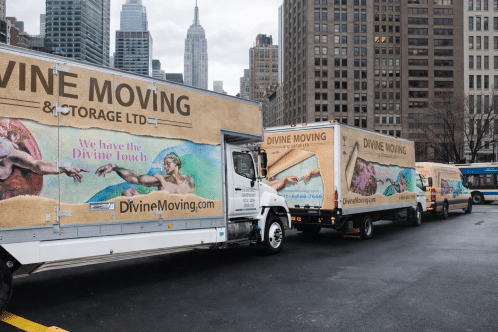
Moving in NYC? Your Building May Reject the Movers Before They Even Arrive
In Manhattan, Brooklyn, and many luxury buildings across NYC, the move does not start with the truck. It starts with the Certificate of Insurance, also known as a COI.
Every major high-rise, co-op, condo, doorman building, luxury rental, and Class-A property usually requires a very specific COI before a moving truck is allowed to park, before the service elevator is released, and before the movers can enter the building.
At Divine Moving & Storage, we handle strict COI requirements every day for NYC buildings, including luxury high-rises, co-ops, condos, brownstones, commercial buildings, designer deliveries, and white-glove installations.
We know how stressful it is when building management says:
“Your COI is incorrect.”
“The building must be named differently.”
“We need additional insured language.”
“The elevator cannot be released until the COI is approved.”
“Your mover is not cleared.”
That is exactly why Divine Moving & Storage has a dedicated COI coordination process.
What Is a COI for a NYC Move?
A Certificate of Insurance is a document issued by a moving company’s insurance provider showing that the company has active insurance coverage.
For NYC buildings, the COI is used to confirm that the mover has proper coverage in case of damage to:
- Service elevators
- Lobby walls
- Hallways
- Floors
- Loading docks
- Building doors
- Common areas
- Property fixtures
- Staff or third-party injury claims
In luxury NYC buildings, the COI must often be written exactly the way building management requests it. One wrong name, address, date, or insurance wording can cause a rejection.
Why NYC Buildings Are So Strict About Moving COIs
Luxury buildings in Manhattan and Brooklyn deal with constant moves, deliveries, renovations, designer installations, and storage transfers. Their management teams want to protect the property, the board, the owner, the residents, and the building staff.
That is why many NYC buildings require:
- A COI before the move date
- The building named as Additional Insured
- The management company named correctly
- The condo, co-op, LLC, or ownership entity listed exactly
- Specific liability limits
- Workers’ compensation proof
- Commercial auto insurance
- Umbrella or excess liability coverage
- Waiver of subrogation language when required
- Move date and service address clearly listed
- Approved elevator reservation paperwork
This is especially common in buildings on the Upper East Side, Upper West Side, Tribeca, SoHo, Flatiron, Chelsea, Park Avenue, Fifth Avenue, Brooklyn Heights, Dumbo, Williamsburg, and Downtown Brooklyn.
COI Checklist: What Building Management Looks For
Before a luxury NYC building approves a mover, management usually checks the COI for the following:
1. Correct Legal Name of the Moving Company
The COI must show the legal insured company name, not just a marketing name or nickname.
2. General Liability Coverage
Most buildings want proof of commercial general liability insurance. Luxury buildings may require higher limits than a basic building.
3. Workers’ Compensation
Buildings want proof that the moving company’s employees are covered if someone gets injured during the job.
4. Commercial Auto Insurance
If a moving truck is coming to the property, the building may require proof of auto coverage.
5. Umbrella or Excess Liability
Many high-end buildings require additional coverage above the standard liability policy.
6. Additional Insured Language
The building, management company, ownership entity, condo association, or co-op board may need to be listed as an additional insured.
7. Exact Building Name and Address
The COI must match the building’s requested wording exactly. Even small errors can cause rejection.
8. Certificate Holder Information
The certificate holder section must usually include the management company, building entity, or ownership company exactly as requested.
9. Date of Move
The COI should match the scheduled move date or service window.
10. Special Wording
Some buildings require specific legal language, waiver of subrogation, indemnification wording, or special endorsements.
Why Cheap “Man-With-a-Van” Movers Get Turned Away
Many customers only discover the COI problem after booking the cheapest mover they could find.
The problem is simple: many low-budget movers, van operators, cash crews, or unlicensed moving helpers cannot satisfy strict NYC building requirements.
A luxury building may reject them because they:
- Cannot issue a proper COI
- Do not carry enough insurance
- Do not have workers’ compensation
- Cannot name the building as additional insured
- Cannot provide commercial auto coverage
- Do not have an insurance broker available quickly
- Use rented vans or unmarked trucks
- Are not licensed and insured professional movers
- Do not understand NYC building paperwork
- Miss the COI deadline and lose the elevator reservation
When that happens, the customer may be left with a packed apartment, a reserved elevator, a lease deadline, and no approved movers.
Divine Moving & Storage helps prevent that problem before move day.
How Divine Moving & Storage Handles Strict COI Requirements
Our COI process is built for NYC buildings that require fast, accurate paperwork.
Step 1: We Request the Building’s COI Instructions
We ask the client or building management for the COI sample, building requirements, move rules, and elevator reservation details.
Step 2: We Review the Exact Wording
Our team checks the required certificate holder, additional insured language, building entity, management company, address, coverage requirements, and move date.
Step 3: We Coordinate With the Insurance Broker
We send the correct wording to our insurance team so the COI can be issued properly.
Step 4: We Submit the COI to the Building
Divine Moving & Storage can coordinate directly with the property manager, superintendent, concierge, building office, or management company.
Step 5: We Follow Up Until Approval
We do not just send paperwork and hope for the best. We follow up to help get the move cleared.
Step 6: We Confirm Elevator and Building Access
Once the COI is approved, we confirm the move window, service elevator rules, loading dock access, parking instructions, protection requirements, and building move schedule.
COI Clearance in Under 24 Hours
In many cases, Divine Moving & Storage can help coordinate and clear standard NYC building COIs in under 24 hours, depending on the building’s requirements and how quickly management responds.
For urgent moves, last-minute moves, luxury buildings, co-op board requirements, or same-week elevator reservations, our team understands how important speed is.
A rejected COI can delay the entire move. A properly handled COI keeps the move on schedule.
Common Reasons a NYC Moving COI Gets Rejected
Building management may reject a COI because:
- The building name is incomplete
- The management company is missing
- The address is wrong
- Additional insured wording is missing
- Coverage limits are too low
- Workers’ compensation is not shown
- The move date is incorrect
- The certificate holder is wrong
- The insurance expired before the move date
- The mover submitted a generic COI
- The building requested special wording that was ignored
Divine Moving & Storage checks these details before move day so our clients are not surprised at the service elevator.
Luxury NYC Buildings Need Movers Who Understand the Paperwork
Moving in NYC is not just about strength. It is about access, timing, insurance, building rules, elevator windows, parking, protection, and communication.
Divine Moving & Storage regularly works with:
- Manhattan luxury high-rises
- Brooklyn co-ops and condos
- Doorman buildings
- Service elevator buildings
- White-glove residential buildings
- Designer installation projects
- Commercial office buildings
- Storage-to-building deliveries
- Renovation-related moves
- Receiving warehouse deliveries
We know how to communicate with building management and how to prepare the paperwork properly.
“Divine handled our strict Manhattan COI perfectly.”
We were moving into a luxury doorman building in Manhattan and the building manager rejected our first mover because they could not provide the right insurance paperwork. Divine Moving & Storage stepped in, handled the COI directly with management, got the building named correctly as additional insured, and cleared the service elevator before move day.
“They understood our co-op board requirements.”
Our Brooklyn co-op had very specific moving rules, including a detailed Certificate of Insurance, elevator reservation, and hallway protection requirements. Divine Moving & Storage knew exactly what the building needed and coordinated everything professionally.
“The COI was approved fast.”
Our building required a COI before allowing the truck to park or the movers to enter. Divine Moving & Storage got the paperwork submitted quickly and followed up until the property manager approved it. The move was smooth and stress-free.
“Not the cheapest, but definitely professional.”
We almost booked a cheaper man-with-a-van mover, but our condo required real insurance and specific COI wording. Divine Moving & Storage was the safer choice because they had the proper coverage, paperwork, and building experience.
“Perfect for luxury NYC buildings.”
Divine Moving & Storage handled our Upper East Side move with the COI, elevator rules, floor protection, packing, moving, and storage. They clearly knew how strict NYC buildings work.
FAQ: Strict COI Requirements for NYC Moves
Do all NYC buildings require a COI?
Not every building requires one, but most luxury buildings, condos, co-ops, elevator buildings, doorman buildings, and commercial properties in NYC do.
Who provides the COI?
The moving company’s insurance provider issues the COI. The client usually provides the building’s instructions, and the moving company submits the request.
Can Divine Moving & Storage send the COI directly to my building?
Yes. Divine Moving & Storage can coordinate directly with property management, building staff, or the management office.
How fast can a COI be issued?
Many standard COIs can be handled in under 24 hours, depending on the building’s requirements and management response time.
Why was my mover rejected by the building?
Your mover may not have had enough insurance, may not have listed the building correctly, or may not have been able to provide the required additional insured wording.
Can a cheap mover provide a COI?
Some can, but many low-budget operators cannot meet strict luxury building insurance requirements.
What should I send Divine Moving & Storage?
Send the building’s COI sample, management contact, move date, pickup and delivery addresses, elevator reservation details, and any building move rules.
Need Help With a Strict NYC Building COI?
If your building is asking for a detailed Certificate of Insurance, do not wait until the last minute.
Divine Moving & Storage can help coordinate your COI, communicate with building management, protect the building properly, and keep your move on schedule.
Call Divine Moving & Storage today for a professional NYC move with proper COI handling.