|
ADA WCAG 2.0 Section 508
 |
How to Protect Floors While Moving in NYC
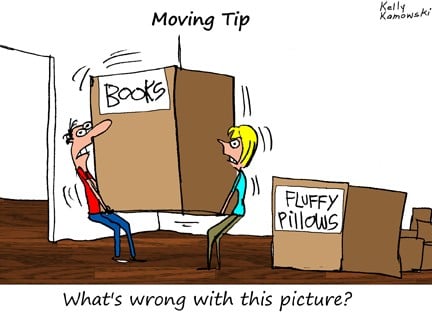
If you’re moving in New York City, your floors are at risk from dollies, boxes, furniture legs, grit from sidewalks, and tight hallways. The good news: protecting floors isn’t complicated when you use the right materials and a proven plan—especially in walk-ups, elevator buildings, brownstones, co-ops, and high-rises across Manhattan, Brooklyn, Queens, the Bronx, and Staten Island.
Fast Answer
The best way to protect floors while moving is to:
-
Vacuum/sweep first (grit causes scratches)
-
Lay ram board / floor runner for paths
-
Use corner guards and door jamb protectors
-
Put furniture on sliders or padded dollies
-
Keep shoes + wheels clean (NYC sidewalk debris is the #1 floor scratch culprit)
What Causes Floor Damage During a Move (NYC Reality)
NYC moves are unique because you’re constantly transitioning between sidewalk → lobby → hallway → elevator → apartment. That means:
-
Small stones and grit get tracked in and act like sandpaper on hardwood
-
Tight turns in prewar hallways lead to corner and baseboard hits
-
Heavy furniture shifts on uneven thresholds and elevator lips
-
Wet weather turns cardboard into a slip hazard and can stain floors
Floor Protection Materials That Actually Work
1) Ram Board / Heavy-Duty Floor Runner (Best Overall)
Use this to create a protected “runway” from the entry to each room.
-
Great for: hardwood, engineered wood, vinyl, laminate
-
Pro tip: Overlap seams and tape board-to-board, not board-to-floor when possible.
2) Masonite / Hardboard Sheets (Best for Heavy Items)
For extremely heavy pieces (large dressers, safes, commercial equipment), sheets distribute weight.
-
Great for: older hardwood, softwood, historic brownstone floors
-
Pro tip: Place sheets at pivot points (tight turns) and under staging areas.
3) Plastic Film + Carpet Film (Best for Carpet & Runners)
For carpeted hallways or installed carpet, use proper carpet film—not random plastic wrap.
-
Great for: carpet, hallway runners
-
Avoid: Cheap plastic that bunches up and becomes a trip hazard.
4) Moving Blankets (Best for Spot Protection)
Blankets are ideal under furniture legs, staging piles, or along walls.
-
Great for: marble entryways, tile, delicate thresholds
-
Pro tip: Layer blankets under staging zones where boxes get stacked.
5) Furniture Sliders + Padded Dollies (Prevents Drag Marks)
Dragging furniture is how floors get gouged.
-
Use sliders for: couches, beds, dressers
-
Use padded dollies for: appliances, large cabinets
What NOT to Use (Common Mistakes That Damage Floors)
-
Painter’s tape directly on delicate finishes (can lift finish or leave residue)
-
Bare cardboard paths (slips, tears, and transfers dirt)
-
Dragging furniture “just a little” (creates permanent arcs/gouges)
-
Wet mopping right before moving (slippery + moisture trapped under coverings)
Floor-by-Floor Protection Tips (Hardwood, Tile, Marble, Carpet)
Hardwood / Engineered Wood
-
Sweep and vacuum first
-
Use ram board for walk paths
-
Use sliders under heavy furniture
-
Keep dolly wheels clean
Tile / Porcelain
-
Protect grout lines (chips happen on edges and thresholds)
-
Use runner board and avoid hard impacts
-
Don’t drop straps/buckles—metal chips tile
Marble / Stone
-
Use blankets + hardboard in high-traffic areas
-
Avoid tape on polished stone
-
Protect entryways where grit is worst
Carpet
-
Use carpet film or clean runners
-
Don’t use cheap plastic that slides
-
Keep boxes off damp carpet (staining risk)
NYC Building-Specific Tips (Co-ops, High-Rises, Walk-Ups)
Co-ops / Condos
-
Many buildings require protection for common areas (lobby/hallways)
-
Protect elevator thresholds and corners
-
Ask for building rules and schedule windows
Walk-Ups & Brownstones
-
Stairs cause the most damage: protect landings and turns
-
Use corner guards and door jamb pads
-
Don’t stage heavy items on old wood without blankets/sheets
High-Rises
-
Elevator lips + metal thresholds scratch floors fast
-
Create a continuous runner path from elevator to apartment
Pro Checklist: Floor Protection Before Movers Arrive
-
Vacuum/sweep all traffic paths
-
Remove small rugs (they slide)
-
Clear shoes, umbrellas, and wet items from entry
-
Place runner board from entry to main rooms
-
Set aside sliders/blankets for staging areas
-
Protect corners, door frames, and tight turns
Why NYC Clients Use Divine Moving for Floor Protection
Professional movers reduce floor damage because they arrive with:
-
Proper floor runners, blankets, sliders, and padded dollies
-
Trained crews for tight NYC turns and hallway navigation
-
A consistent system: protect paths first, then move, then remove coverings cleanly
If you want, we can also help coordinate building requirements and move logistics across Manhattan, Brooklyn, Queens, the Bronx, and Staten Island.
FAQ
How do movers protect hardwood floors in NYC?
They typically vacuum/sweep first, then lay ram board/floor runners, use sliders under heavy furniture, and keep dolly wheels clean to avoid grit scratches.
Should I tape ram board to the floor?
It’s usually safer to tape seams to each other (board-to-board). If you must tape to the floor, use a finish-safe tape and test a small area first—especially on older finishes.
What’s the best protection for marble or stone floors?
Use moving blankets in layers plus hardboard sheets in heavy-traffic or staging zones. Avoid adhesives directly on polished stone.
Can cardboard protect floors during a move?
Cardboard helps slightly, but it tears, slides, and traps grit. In NYC, a heavy-duty floor runner is much more reliable.
How do I protect floors on rainy or snowy moving days?
Create a protected entry zone, use runner board, keep towels at the door, and prevent wet cardboard from sitting on floors.
What’s the biggest cause of floor scratches during NYC moves?
Grit from sidewalks tracked inside on shoes and dolly wheels—vacuuming first and keeping wheels clean prevents most scratches.