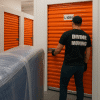
Leading a successful business with aspirations of further advancements and growth is a cause worth admiring. As time goes by, however, the necessity for bigger office space usually becomes inevitable. With experienced and reliable commercial movers Manhattan by your side, there ought to be little to no hindrances. Still, there are things you need to be mindful of, regardless of the assistance you have, especially when moving a file room. The text that follows will guide you through the necessary steps that will ensure the best outcome of this whole process.

Since many cities offer innovative and interesting opportunities for small businesses that operate within their borders, some companies prefer to create new branches or move their entire headquarters to a different location. When this happens or when companies hire employees from another state or country, the complex process of moving employees happens. Finding a new home or 24-hour storage Manhattan, understanding what can be taxed, and making the right plans for moving forward can all be a problem for workers. The good news is that employers can help employees relocate. They can streamline the process and ensure that employees start their new positions with the right foot.

A question that boggles every mind that ponders a commercial move. And really, should employees help with moving offices? Especially when you already plan on hiring office movers. The only proper answer would probably be: most likely, yes. An office move is a rather complicated undertaking. Especially if your office is prodigious in size. When employees help with moving offices things are usually moving faster. Still, this may not be the case at all times. Let us see what is there to consider when this question comes up.

An office move is almost ineluctably followed by IT equipment relocation. Consequently, if you are having a commercial move, it would be wise to know how to go about this ordeal properly. While hiring office movers will save you all the hassle and worry about packing and transporting your valuable goods, it is also recommendable that you know how to prepare IT equipment for relocation on your own. You will be able to be on top of all the action and provide a knowledgable input, if necessary. The following checklist will prove to be an excellent guide through this process, and ensure a positive outcome.

Medical equipment is one of the most expensive and valuable devices used in laboratories and medical institutions. Because of this, it is a fragile thing to move. For this reason, there are a number of risks associated with moving medical equipment from one place to another.

Tips for moving your office to Brooklyn
Practically every company faces the need to move to a new office at least once. The reasons for the change in occupied space can be very different. This may be an extension, the search for more comfortable working conditions and an improvement in the image. It can also be the purchase of your own office or, conversely, the search for a more economical option due to financial difficulties. If you are moving your office to Brooklyn, your priority should be to hire Brooklyn movers. But - how to properly prepare and organize this very important event?
How to Protect Floors While Moving in NYC
If you’re moving in New York City, your floors are at risk from dollies, boxes, furniture legs, grit from sidewalks, and tight hallways. The good news: protecting floors isn’t complicated when you use the right materials and a proven plan—especially in walk-ups, elevator buildings, brownstones, co-ops, and high-rises across Manhattan, Brooklyn, Queens, the Bronx, and Staten Island.
Fast Answer
The best way to protect floors while moving is to:
-
Vacuum/sweep first (grit causes scratches)
-
Lay ram board / floor runner for paths
-
Use corner guards and door jamb protectors
-
Put furniture on sliders or padded dollies
-
Keep shoes + wheels clean (NYC sidewalk debris is the #1 floor scratch culprit)
What Causes Floor Damage During a Move (NYC Reality)
NYC moves are unique because you’re constantly transitioning between sidewalk → lobby → hallway → elevator → apartment. That means:
-
Small stones and grit get tracked in and act like sandpaper on hardwood
-
Tight turns in prewar hallways lead to corner and baseboard hits
-
Heavy furniture shifts on uneven thresholds and elevator lips
-
Wet weather turns cardboard into a slip hazard and can stain floors
Floor Protection Materials That Actually Work
1) Ram Board / Heavy-Duty Floor Runner (Best Overall)
Use this to create a protected “runway” from the entry to each room.
-
Great for: hardwood, engineered wood, vinyl, laminate
-
Pro tip: Overlap seams and tape board-to-board, not board-to-floor when possible.
2) Masonite / Hardboard Sheets (Best for Heavy Items)
For extremely heavy pieces (large dressers, safes, commercial equipment), sheets distribute weight.
-
Great for: older hardwood, softwood, historic brownstone floors
-
Pro tip: Place sheets at pivot points (tight turns) and under staging areas.
3) Plastic Film + Carpet Film (Best for Carpet & Runners)
For carpeted hallways or installed carpet, use proper carpet film—not random plastic wrap.
-
Great for: carpet, hallway runners
-
Avoid: Cheap plastic that bunches up and becomes a trip hazard.
4) Moving Blankets (Best for Spot Protection)
Blankets are ideal under furniture legs, staging piles, or along walls.
-
Great for: marble entryways, tile, delicate thresholds
-
Pro tip: Layer blankets under staging zones where boxes get stacked.
5) Furniture Sliders + Padded Dollies (Prevents Drag Marks)
Dragging furniture is how floors get gouged.
-
Use sliders for: couches, beds, dressers
-
Use padded dollies for: appliances, large cabinets
What NOT to Use (Common Mistakes That Damage Floors)
-
Painter’s tape directly on delicate finishes (can lift finish or leave residue)
-
Bare cardboard paths (slips, tears, and transfers dirt)
-
Dragging furniture “just a little” (creates permanent arcs/gouges)
-
Wet mopping right before moving (slippery + moisture trapped under coverings)
Floor-by-Floor Protection Tips (Hardwood, Tile, Marble, Carpet)
Hardwood / Engineered Wood
-
Sweep and vacuum first
-
Use ram board for walk paths
-
Use sliders under heavy furniture
-
Keep dolly wheels clean
Tile / Porcelain
-
Protect grout lines (chips happen on edges and thresholds)
-
Use runner board and avoid hard impacts
-
Don’t drop straps/buckles—metal chips tile
Marble / Stone
-
Use blankets + hardboard in high-traffic areas
-
Avoid tape on polished stone
-
Protect entryways where grit is worst
Carpet
-
Use carpet film or clean runners
-
Don’t use cheap plastic that slides
-
Keep boxes off damp carpet (staining risk)
NYC Building-Specific Tips (Co-ops, High-Rises, Walk-Ups)
Co-ops / Condos
-
Many buildings require protection for common areas (lobby/hallways)
-
Protect elevator thresholds and corners
-
Ask for building rules and schedule windows
Walk-Ups & Brownstones
-
Stairs cause the most damage: protect landings and turns
-
Use corner guards and door jamb pads
-
Don’t stage heavy items on old wood without blankets/sheets
High-Rises
-
Elevator lips + metal thresholds scratch floors fast
-
Create a continuous runner path from elevator to apartment
Pro Checklist: Floor Protection Before Movers Arrive
-
Vacuum/sweep all traffic paths
-
Remove small rugs (they slide)
-
Clear shoes, umbrellas, and wet items from entry
-
Place runner board from entry to main rooms
-
Set aside sliders/blankets for staging areas
-
Protect corners, door frames, and tight turns
Why NYC Clients Use Divine Moving for Floor Protection
Professional movers reduce floor damage because they arrive with:
-
Proper floor runners, blankets, sliders, and padded dollies
-
Trained crews for tight NYC turns and hallway navigation
-
A consistent system: protect paths first, then move, then remove coverings cleanly
If you want, we can also help coordinate building requirements and move logistics across Manhattan, Brooklyn, Queens, the Bronx, and Staten Island.
FAQ
How do movers protect hardwood floors in NYC?
They typically vacuum/sweep first, then lay ram board/floor runners, use sliders under heavy furniture, and keep dolly wheels clean to avoid grit scratches.
Should I tape ram board to the floor?
It’s usually safer to tape seams to each other (board-to-board). If you must tape to the floor, use a finish-safe tape and test a small area first—especially on older finishes.
What’s the best protection for marble or stone floors?
Use moving blankets in layers plus hardboard sheets in heavy-traffic or staging zones. Avoid adhesives directly on polished stone.
Can cardboard protect floors during a move?
Cardboard helps slightly, but it tears, slides, and traps grit. In NYC, a heavy-duty floor runner is much more reliable.
How do I protect floors on rainy or snowy moving days?
Create a protected entry zone, use runner board, keep towels at the door, and prevent wet cardboard from sitting on floors.
What’s the biggest cause of floor scratches during NYC moves?
Grit from sidewalks tracked inside on shoes and dolly wheels—vacuuming first and keeping wheels clean prevents most scratches.

Every move is difficult. Moving an office could be even worse, given that you need to maintain business continuity. Moving plants is possibly the most demanding task of all. Plants are not furniture. They are living organisms that still require conditions in which they will not perish. This is why moving an office becomes that much more difficult if you are moving office plants. As if the task wasn't challenging enough. This is especially for those offices that have green thumb people, such as mine. Half of my office looks like a national park. The corner office even has a human-sized tree covering a good portion of the room.

Office moving is tremendously complicated. Sure, every relocation is complicated when you think about it. But comparing office moving to residential moving is like comparing driving a plane to car driving. Sure, you are driving in both cases, but the differences are so significant that it is almost laughable. When you are handing a residential move, there are numerous mistakes you can make that won't cost much. But, when office moving is in question, you pretty much have no room for error. Therefore, before moving your office to Long Island, you better study up how to prepare for it properly.

Office moving is tremendously complicated. It is so complicated, in fact, that you can freely consider it the most complicated type of moving. Not only do you have to plan everything weeks in advance, but you need to be extra efficient and careful. Every mistake will cost you dearly as your business will suffer. All of that is why you need to have professional movers help you move your business. Do not even consider doing it on your own. Find reliable commercial movers Manhattan and work with them. But that doesn't mean that you should sit idly until they come. Keep on reading to find out what goes into moving office furniture so that you can have a better idea about office moving in general.

When you think about a world-leading hub for business, one of the first places that come to mind is Manhattan. Whether you are looking to become an authority in your respective market or acquire top talent, this is the place to come to. And this is also one of the main reasons why moving your business to Manhattan is such an appealing notion. However, such a relocation has its own set of challenges. But this does not have to be the case if you have the aid of professional commercial movers Manhattan on your side.