

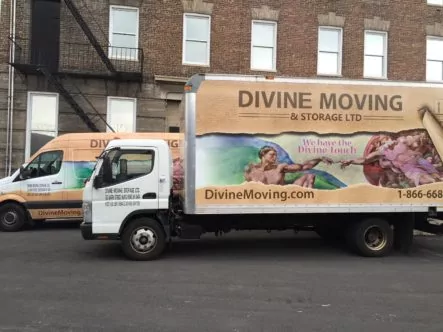
Don't Stress Over Your Move - We'll Get You Settled in your NYC apartment in Just One Day!
So you finally found a new apartment in New York City. Sad to say, but apartment hunting is not the only hurdle you will have to jump through in moving into New York City. But moving is certainly possible with a little help from experienced New York City movers. And even better, same-day moving is reasonable in Manhattan or any of the other boroughs. If you are planning a last-minute move in NYC, however, there are some tips you should know before that. To begin with, you need to understand how to find reliable same-day movers, and this is something Divine Moving and Storage can help you with. Hiring the perfect same-day movers NYC is now easier than ever - all it takes is a phone call.


Before we delve into the intricacies of moving while pregnant, we'd first like to congratulate you! It is truly a marvelous stepping stone in your life. You are probably familiar that the vast majority of things you do while expecting are more difficult than before. We cannot claim with certainty that relocation will be any different. Still, there are certain steps that ought to make it simpler.
Be mindful of yourself
The subtitle of this paragraph sums up the essence of the text that follows. It is the most crucial aspect when it comes to moving while pregnant. Even if you weren't expecting, a move would take a lot out of you, both physically and mentally. So, with regards to your condition, you need to take care of yourself. We know that it's easier said than done, but we implore you to put your efforts into following our advice. However hectic this period may be, you still ought to sleep and eat right. In addition, try to squeeze some room for your physical activity, if you haven't already done a lot. As the moving week approaches, make sure to have extra time for yourself. Don't worry, the following steps will allow you to do so. Take that extra time to have a prenatal massage, a prenatal yoga class, or simply have a few extra naps.Organization is key
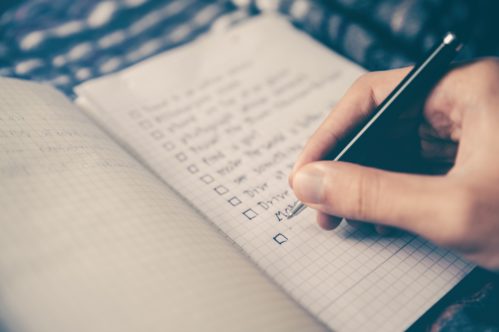
Now there's a phrase you haven't heard before. If you want those extra hours prior to the move, the sooner you act, the better. And, with the baby growing inside of you, you probably don't have too much on your agenda. So, use that extra time to put on paper everything that needs to be done. Everything from packing to finding moving companies Astoria. Once all the tasks are listed, you can proceed with creating a realistic timeline. This will help keep the stress levels down, and still get everything done.When moving while pregnant, it's never too early to start
Although it might seem a bit excessive to have some of your items packed 10 weeks prior to the move, believe us when we say that it will pay off. When you start methodically, packing first the items you most seldom use, you will find yourself only having to take care of the essentials upon moving day. Giving yourself this amount of time gives room to mistakes and certain delays, allowing you to keep your peace of mind, even if things go awry. This, however, doesn't mean that you should slack off. Try to stick to the plan to the best of your ability. If you do not have the time and nerves for the arduous job of packing, do not hesitate from hiring some moving company to come and help.Don't forget to label
Whether you are moving while pregnant to DC, moving to NYC with kids, or moving on your own down the street, it would be highly recommendable that you label your boxes. Chances of remembering where you packed everything (especially if you started 3 months earlier) are slim, at best. Besides shortening the time of the search for any particular item, it will also allow you to put every box in its rightful place after the relocation.Prepare the essentials bag
When pregnant, women tend to be dependant on certain items. As the moving day approaches, see that you have a separate bag, filled with all these essential items. It will save you both the time and the nerves you would otherwise spend looking for them. With the essentials bag by your side, you can stay calm knowing you have everything you need at hands reach.Scope out your new neighborhood
If you are moving somewhere within a range of a reasonable car ride, or even walking distance, utilize this opportunity to relieve yourself of the fear of the unknown. Extend your usual daily walks, and do a bit of researching of your new neighborhood. See where the local grocery stores, good coffee shops, restaurants, mommy groups, and other interesting activities are. This will also help you keep your daily schedules and routines fairly intact. If, however, you are in for a long distance move, do not fall into despair just yet. A number of rather intelligent individuals have put their minds together and granted us the gift of the Internet. Use it to your advantage. Sites like Google Earth will prove to be of most help in these situations.The doctor changing situation
For those of you who are moving within the borders of your city, and you need to rent a storage unit, feel free to give this paragraph as much or as little attention as you desire. However, for those of you who are changing their location a bit more drastically, we suggest that you have a word with your healthcare provider. Moving while pregnant, besides the change of home, also means the change of the doctor. So, to ensure that you are welcomed to your new home with capable hands, see if your current doctor has some contacts. Perhaps he can recommend one of the more reliable colleagues. Try to establish contact with your future doctor as soon as you can. In addition, make sure to have copies of your medical records as well as your prenatal file.Moving while pregnant means being comfortable with accepting help
Yes, you are a strong, independent woman that carries life inside of her. Still, with that baby in mind, and as we previously stated, you need to be mindful of yourself. When your friends and family offer to help, don't shy away from accepting it. Rather than pretending you can handle it all by yourself (moving a couch is hard whichever way you look at it), be honest and realistic. Even if it's for the little things or emotional support, let people help you. It will not make you less of a strong person but will mean a lot to your baby's and your own health. We wish you efficient packing, happy travels and many joyful moments to come with your little one.
How to Protect Floors While Moving in NYC
If you’re moving in New York City, your floors are at risk from dollies, boxes, furniture legs, grit from sidewalks, and tight hallways. The good news: protecting floors isn’t complicated when you use the right materials and a proven plan—especially in walk-ups, elevator buildings, brownstones, co-ops, and high-rises across Manhattan, Brooklyn, Queens, the Bronx, and Staten Island.
Fast Answer
The best way to protect floors while moving is to:
-
Vacuum/sweep first (grit causes scratches)
-
Lay ram board / floor runner for paths
-
Use corner guards and door jamb protectors
-
Put furniture on sliders or padded dollies
-
Keep shoes + wheels clean (NYC sidewalk debris is the #1 floor scratch culprit)
What Causes Floor Damage During a Move (NYC Reality)
NYC moves are unique because you’re constantly transitioning between sidewalk → lobby → hallway → elevator → apartment. That means:
-
Small stones and grit get tracked in and act like sandpaper on hardwood
-
Tight turns in prewar hallways lead to corner and baseboard hits
-
Heavy furniture shifts on uneven thresholds and elevator lips
-
Wet weather turns cardboard into a slip hazard and can stain floors
Floor Protection Materials That Actually Work
1) Ram Board / Heavy-Duty Floor Runner (Best Overall)
Use this to create a protected “runway” from the entry to each room.
-
Great for: hardwood, engineered wood, vinyl, laminate
-
Pro tip: Overlap seams and tape board-to-board, not board-to-floor when possible.
2) Masonite / Hardboard Sheets (Best for Heavy Items)
For extremely heavy pieces (large dressers, safes, commercial equipment), sheets distribute weight.
-
Great for: older hardwood, softwood, historic brownstone floors
-
Pro tip: Place sheets at pivot points (tight turns) and under staging areas.
3) Plastic Film + Carpet Film (Best for Carpet & Runners)
For carpeted hallways or installed carpet, use proper carpet film—not random plastic wrap.
-
Great for: carpet, hallway runners
-
Avoid: Cheap plastic that bunches up and becomes a trip hazard.
4) Moving Blankets (Best for Spot Protection)
Blankets are ideal under furniture legs, staging piles, or along walls.
-
Great for: marble entryways, tile, delicate thresholds
-
Pro tip: Layer blankets under staging zones where boxes get stacked.
5) Furniture Sliders + Padded Dollies (Prevents Drag Marks)
Dragging furniture is how floors get gouged.
-
Use sliders for: couches, beds, dressers
-
Use padded dollies for: appliances, large cabinets
What NOT to Use (Common Mistakes That Damage Floors)
-
Painter’s tape directly on delicate finishes (can lift finish or leave residue)
-
Bare cardboard paths (slips, tears, and transfers dirt)
-
Dragging furniture “just a little” (creates permanent arcs/gouges)
-
Wet mopping right before moving (slippery + moisture trapped under coverings)
Floor-by-Floor Protection Tips (Hardwood, Tile, Marble, Carpet)
Hardwood / Engineered Wood
-
Sweep and vacuum first
-
Use ram board for walk paths
-
Use sliders under heavy furniture
-
Keep dolly wheels clean
Tile / Porcelain
-
Protect grout lines (chips happen on edges and thresholds)
-
Use runner board and avoid hard impacts
-
Don’t drop straps/buckles—metal chips tile
Marble / Stone
-
Use blankets + hardboard in high-traffic areas
-
Avoid tape on polished stone
-
Protect entryways where grit is worst
Carpet
-
Use carpet film or clean runners
-
Don’t use cheap plastic that slides
-
Keep boxes off damp carpet (staining risk)
NYC Building-Specific Tips (Co-ops, High-Rises, Walk-Ups)
Co-ops / Condos
-
Many buildings require protection for common areas (lobby/hallways)
-
Protect elevator thresholds and corners
-
Ask for building rules and schedule windows
Walk-Ups & Brownstones
-
Stairs cause the most damage: protect landings and turns
-
Use corner guards and door jamb pads
-
Don’t stage heavy items on old wood without blankets/sheets
High-Rises
-
Elevator lips + metal thresholds scratch floors fast
-
Create a continuous runner path from elevator to apartment
Pro Checklist: Floor Protection Before Movers Arrive
-
Vacuum/sweep all traffic paths
-
Remove small rugs (they slide)
-
Clear shoes, umbrellas, and wet items from entry
-
Place runner board from entry to main rooms
-
Set aside sliders/blankets for staging areas
-
Protect corners, door frames, and tight turns
Why NYC Clients Use Divine Moving for Floor Protection
Professional movers reduce floor damage because they arrive with:
-
Proper floor runners, blankets, sliders, and padded dollies
-
Trained crews for tight NYC turns and hallway navigation
-
A consistent system: protect paths first, then move, then remove coverings cleanly
If you want, we can also help coordinate building requirements and move logistics across Manhattan, Brooklyn, Queens, the Bronx, and Staten Island.
FAQ
How do movers protect hardwood floors in NYC?
They typically vacuum/sweep first, then lay ram board/floor runners, use sliders under heavy furniture, and keep dolly wheels clean to avoid grit scratches.
Should I tape ram board to the floor?
It’s usually safer to tape seams to each other (board-to-board). If you must tape to the floor, use a finish-safe tape and test a small area first—especially on older finishes.
What’s the best protection for marble or stone floors?
Use moving blankets in layers plus hardboard sheets in heavy-traffic or staging zones. Avoid adhesives directly on polished stone.
Can cardboard protect floors during a move?
Cardboard helps slightly, but it tears, slides, and traps grit. In NYC, a heavy-duty floor runner is much more reliable.
How do I protect floors on rainy or snowy moving days?
Create a protected entry zone, use runner board, keep towels at the door, and prevent wet cardboard from sitting on floors.
What’s the biggest cause of floor scratches during NYC moves?
Grit from sidewalks tracked inside on shoes and dolly wheels—vacuuming first and keeping wheels clean prevents most scratches.

10 Things your movers want you to know
We all know that moving can be very frustrating. This frustration is a reflection of our own inability to go through everything and can't control every aspect of the moving process. Going against this fact is what drive people crazy about moving. But there are several things that can make your moving easier. One of them is movers. Learn about 10 things your movers want you to know when moving and find out what is good to do and what isn't.
Seniors Moving In NYC? Divine Moving and Storage Has You Covered!
Moving is exhausting even for people who are in the prime of their life, let alone the elderly. Someone who needs support with their everyday life will need a lot of help when moving to a new home. Whether they want to live closer to their family, downsize, enjoy a warmer climate or get greater care, a move can be tough on senior citizens. Our tips for moving with seniors will make the whole process easier for them and you. Here's what you need to know.